Window Tint Explained: Film Types, Tint Percentages and California Tint Law
Window tint is a thin polyester film applied to the inside of car glass to cut glare, heat and UV. Its percentage is the share of visible light it lets through, so 20% tint is darker than 35%. In California, the rear side windows take any shade, and so does the back glass with mirrors on both sides; the front side windows take only clear film of 88% or more.


Guides in this topic
- How to Have Tint Legally in California: The Rules for Every WindowThe legal tint for each window in California, the windshield line, medical letters, tint meters and what a ticket costs.
- What is ceramic window tint? Film types, materials and brands comparedWhat ceramic tint is, what any tint is made of, and how dyed, metallized, carbon and ceramic film compare on the makers' own heat data.
- What are the downsides of ceramic tint? Cost, heat, night vision and alternativesThe real trade-offs of ceramic tint, from cost and the heat it cannot stop to night vision and signals, plus what to use instead of tint.
- How long does window tint last? Installation, curing, bubbling and warrantyHow long tint lasts by film type, how it is installed and cures, why it bubbles or turns purple, how old tint is removed, and what the warranty covers.
- Is 35 or 20 tint darker? How 5, 20, 35 and 50% tint look on a carHow dark 5, 20, 35 and 50% tint look, who can see in, how well you see out at night, and how to preview a shade on your car.
Before and after


Services this guide feeds
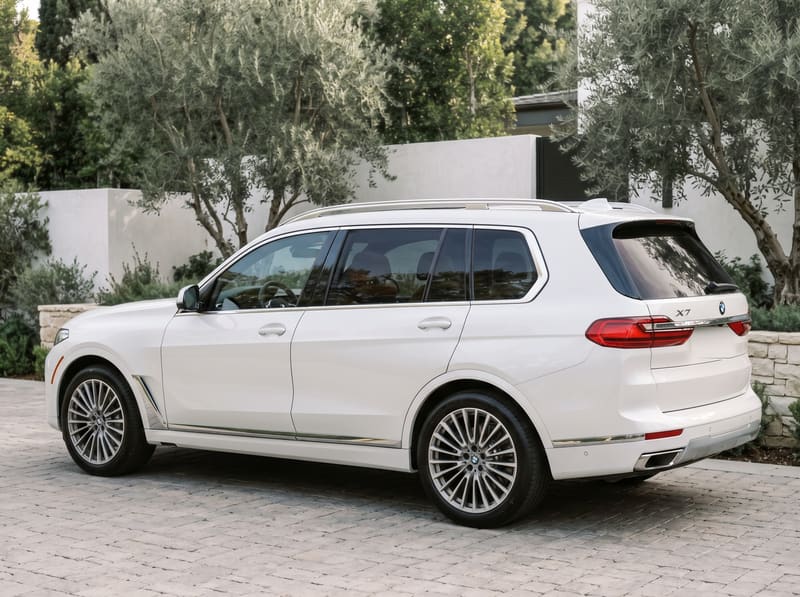 Tint & wrapFrom$329 sedanCar Window TintView
- Tint & wrapFrom$499 sedanCeramic Window TintView
- Tint & wrapFrom$329 sedanMobile Window TintingView
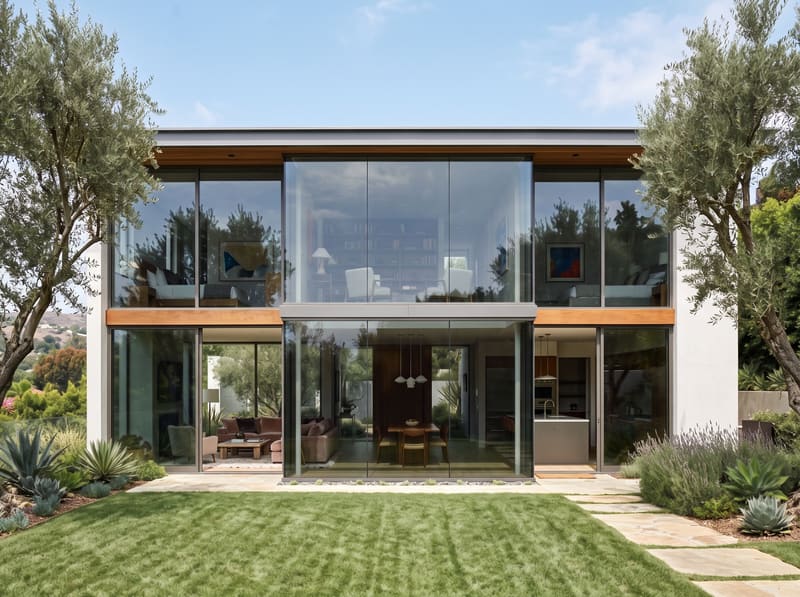 Tint & wrapFrom$12 per sq ftHome & Office Window TintingView
- Tint & wrapFrom$329 sedanWindow Tint Long BeachView
- Tint & wrapFrom$329 sedanWindow Tint PasadenaView
- Tint & wrapFrom$329 sedanWindow Tint TorranceView
Window tint FAQ
When can I roll down my windows after tinting?
Not before the film maker's wait: at least 48 hours on 3M film (3M). The full curing timeline: how long window tint takes to cure.
Is haze or a small bubble under new tint normal?
At first, yes: it is water from the wet install drying out. What is normal and what is a flaw: bubbling, peeling or turning purple.
How do you clean tinted windows?
Not in the first 48 hours on 3M film, then gently, with a pH-neutral cleaner (3M). The full list: window tint aftercare.
More about Window Tint Explained
What the tint percentage means
A tint percentage is the film's visible light transmission (VLT): "the percent of visible light that is transmitted (passes through) a glazing system", in the International Window Film Association's words (IWFA). The lower the number, the darker the window. A 5% "limo" film passes a twentieth of the light; a 70% film looks close to factory glass. So 20% is darker than 35%, and 35% darker than 50%.
Two things move the number you end up with:
- The glass. "All automotive glass is tinted to some extent" (IWFA), and film adds to it. On 3M's 73% reference automotive glass, its Ceramic IR 70 film reads 64% and its Ceramic IR 35 reads 37% (3M). A tint meter reads glass and film together, and that is the figure the law looks at.
- The name. The number on the box is a product name, not a reading on your car.
Darkness buys privacy and glare control; it does not measure heat. On LLumar's own sheet, measured on 6 mm clear glass, its light CTX 50 ceramic film rejects 43% of the sun's total energy, about the same as its near-black ATC 05 dyed film at 44% (LLumar). How 5, 20, 35 and 50% look by day and at night, and whether to pick 35 or 50: is 35 or 20 tint darker.
The numbers on a tint data sheet
| Term | What it measures | How to use it |
|---|---|---|
| VLT, visible light transmission | The share of visible light that passes through the glass and film | Lower is darker. The front side windows in California take only clear film of 88% or more |
| TSER, total solar energy rejected | The share of the sun's total energy kept out: 1 minus the solar heat gain coefficient (IWFA) | The heat figure to compare, at the shade you will run |
| IR rejection | "Not defined in any national or international test method" (IWFA); some makers measure it over 900–1,000 nm only (3M) | Read it only next to TSER, as the IWFA advises |
| UV blocked | The share of ultraviolet stopped | Rarely what separates films: 3M Ceramic IR lists 99.6–99.9% on 3M's reference automotive glass |
| Reflectance | The share of visible light bounced back | Sets the mirror look. A windshield strip may reflect no more than the bare windshield (26708(c)) |
What tint is made of, and the four film types
Every car film is a polyester base with a performance layer, a scratch-resistant coating and an installation adhesive (IWFA); 3M's films go on the inside of the glass with a pressure-sensitive acrylic adhesive (3M). The performance layer names the type: dye in dyed film, a thin aluminum layer in metallized, carbon particles in carbon, and non-metallic, infrared-absorbing nanoparticles in ceramic, which cuts heat at light shades and leaves phone and GPS signals alone. Each type's heat figures and the brands: what is ceramic window tint.
What are tint grades? "Grades" usually means film tiers, from dyed through carbon and ceramic to premium multilayer film, and total solar energy rejected (TSER) is the figure to compare them by. Near the 35% shade, on each maker's sheet for 6 mm clear glass: LLumar ATC 35 dyed rejects 35% and its CTX 35 ceramic 48% (LLumar); SunTek CXP 35 carbon, 53% (SunTek). The tiers overlap, so compare the film, not the label; every film's figures are in the heat table. Shade is a separate choice: each tier comes in several.
Can ceramic tint be removed? Yes, slowly, with care at the back glass: see how old window tint is removed.
California tint law in short
- Rear side windows: any shade, down to 5% (26708(b)(4)).
- Back glass: any shade, if outside mirrors on both sides show the road behind (26708(b)(8)).
- Front side windows: clear, colorless film of 88% or more only. Glass and film together must still pass 70%, and the installer's certificate stays in the car (26708(d)).
- Windshield: a strip at the top, its bottom edge at least 29 inches above the driver's seat (26708(c)).
Is 15% tint legal in LA? On the rear side windows and back glass, yes; on the front side windows, no. The rules are state law: the Vehicle Code bars cities and counties from making their own rules on matters it covers (VC 21), so Los Angeles, Long Beach and Pasadena follow the same lines.
Can you tint a leased car? The law is the same; the lease may not be: see how to have tint legally in California.
Medical letters, tint meters, ticket costs and out-of-state plates: how to have tint legally in California.
Should you tint your car windows?
Among the benefits of car film, the IWFA lists appearance, solar heat reduction, UV protection and glare control. It earns most on a car that sits in the sun. The costs are a darker view out at night with dark film and, in California, front side windows that stay clear whatever you choose. The trade-offs, ceramic included: the downsides of ceramic tint.
Installation, curing and how long tint lasts
Film goes on wet, inside the glass, and a heat gun shrinks it to fit curved glass such as the back window (3M). A careful installer meters the bare glass before and the finished window after. At a shop or where the car is parked, the spot needs shade, no wind or dust, and a temperature inside the film's working range: 4–45°C (39–113°F) for 3M's Color Stable film. What a home or office install needs: mobile window tinting; for the house itself, home window tinting.
Why film bubbles, peels or turns purple, and how long it lasts: how long does window tint last.
- Last updated September 15, 2026
MNG Mobile Car Detailing Beverly Hills
Your car, cared for where it is parked.
Choose the car, the service and a two-hour window. The card is saved at booking and charged after the job.
Not right? Tell us within 48 hours and we come back and fix it at no charge.
Calls 8 am–10 pm daily